
Common Causes of Deck Rot and Decay and What You Can Do to Stop Them
A beautiful deck is one of the most valuable features of any home, but without proper care, it can quickly turn into a costly headache. Moisture, weather exposure, and aging materials can all contribute to a rotting deck, compromising both safety and appearance. Understanding what causes deck rot and how to prevent it can save you thousands in repairs and keep your outdoor space looking great for years. In this guide, we’ll break down the causes, warning signs, prevention strategies, and our deck rot repair in Odenton, MD, and surrounding areas.
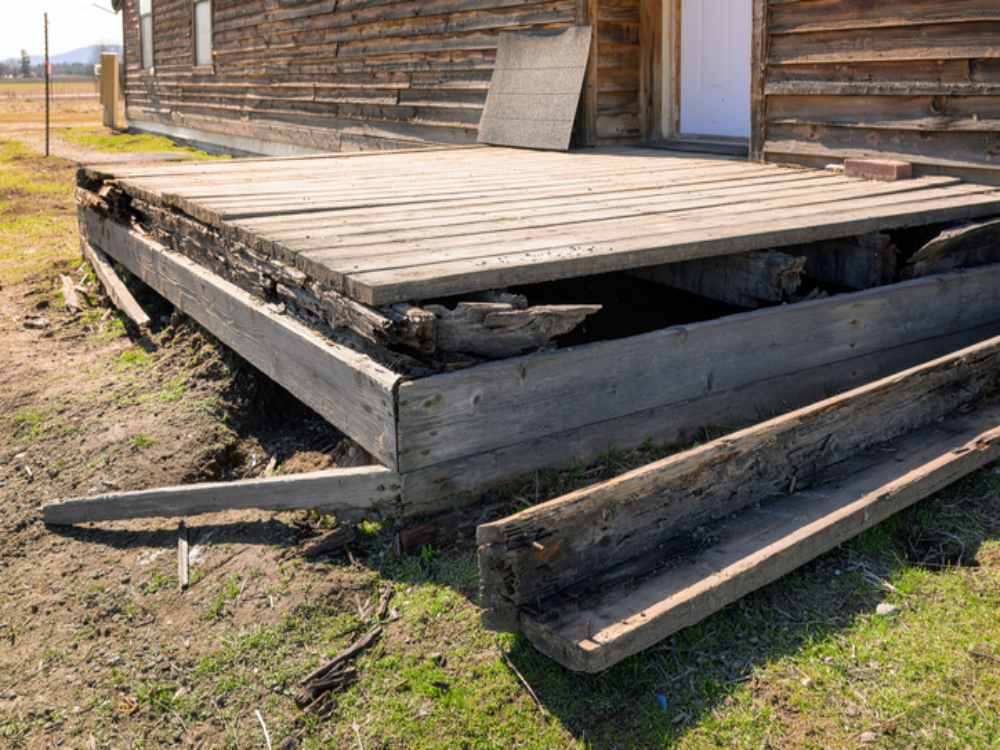
What Is Deck Rot?
Deck rot occurs when wood fibers break down due to prolonged exposure to moisture and fungi. Over time, the wood loses structural integrity, becoming soft, discolored, and brittle. This type of decay deck issue often starts subtly but can quickly spread if not addressed. There are two primary types of wood rot:
- Wet Rot: Occurs in consistently damp areas but spreads slowly
- Dry Rot: A more aggressive fungus that can spread rapidly through wood structures
Top Causes of Deck Rot
Understanding what leads to a rotting deck is the first step to prevention. Explore the top causes of deck rot:
- Moisture Buildup
Moisture is the number one cause of deck rot. Rain, snow, humidity, and poor drainage can all leave wood saturated. When water sits on or inside wood for extended periods, it becomes a breeding ground for fungi.
- Poor Ventilation
Decks built too close to the ground or with limited airflow underneath trap moisture. Without proper ventilation, wood never fully dries, accelerating decay.
- Lack of Sealing or Maintenance
Unsealed wood absorbs moisture quickly. Without regular sealing or staining, your deck becomes vulnerable to weather damage.
- Improper Installation
Poor construction practices, such as failing to leave adequate spacing between boards or improper flashing, can trap water and lead to early rot.
- Aging Materials
Even well-maintained decks have a lifespan. Over time, exposure to the elements weakens wood, making it more susceptible to decay.
Early Signs of Deck Decay
Recognizing the warning signs early can make deck rot repair much easier and more affordable. Here are some signs of deck decay:
- Soft or spongy wood when pressed
- Discoloration or dark spots on boards or railings
- Cracking or splintering wood
- Loose or wobbly railings
- Mold or mildew growth
- Sagging deck boards or uneven surfaces
How to Prevent Deck Rot
Preventing rot is far easier and cheaper than repairing it. Discover some proven strategies to protect your deck:
- Seal and Stain Regularly
Apply a high-quality sealant or stain every 1–3 years. This creates a protective barrier against moisture.
- Keep the Deck Clean
Remove leaves, dirt, and debris regularly. These materials trap moisture, which accelerates decay.
- Ensure Proper Drainage
Make sure water can flow away from your deck. Avoid pooling by keeping gutters clean and ensuring proper grading around your home.
- Improve Ventilation
Allow airflow under your deck by maintaining adequate clearance. This helps wood dry faster after rain.
- Protect Structural Components
If you’re wondering how to protect deck joists from rot, consider installing joist tape or flashing. These products shield the tops of joists from water penetration.
- Use Rot-Resistant Materials
When building or replacing parts of your deck, consider pressure-treated wood or composite materials that resist moisture and decay.
Repair vs Replace: What’s the Right Choice?
When dealing with a rotting deck, the big question is whether to repair or replace it entirely.
Choose Repair If:
- The damage is limited to small areas
- Structural components are still sound
- Rot hasn’t spread extensively
For example, learning how to repair rotted deck railing can restore safety and appearance without a full rebuild. Localized fixes, such as replacing a few boards or railings, can significantly extend your deck’s life.
Choose Replacement If:
- Structural beams or joists are compromised
- Rot is widespread across the deck
- The deck is over 15–20 years old
Professional Deck Repair Services in Maryland
If you live in Odenton, MD, Arnold, MD, Annapolis, MD, Crofton, MD, or Severna Park, MD, addressing deck rot promptly is critical given the region’s humid climate. Moisture levels in Maryland can accelerate wood decay, making professional inspections and repairs especially important. Experienced our contractors can:
- Assess the extent of damage
- Identify hidden rot in structural components
- Provide expert deck rot repair solutions
- Recommend long-term prevention strategies
FAQs
How Long Does It Take for Deck Wood to Rot?
Wood can begin to rot within 1–3 years if it is consistently exposed to moisture and lacks proper sealing or maintenance.
Can a Rotting Deck Be Saved?
Yes. If the damage is caught early, affected areas can often be repaired. However, severe or widespread rot may require partial or full replacement.
What Is the Best Way to Prevent Deck Rot?
The most effective methods include regular sealing, proper drainage, routine cleaning, and protecting structural components like joists from moisture.
How Much Does Deck Rot Repair Cost?
Costs depend on the severity of the damage. Minor repairs are typically affordable, while extensive structural repairs or full replacements can be more costly.
Should I Repair or Replace My Deck Railing?
If only a small section is damaged, repair is usually sufficient. If the rot is widespread or impacts safety, replacement is the better option.
Contact Us Today!
Don’t let a small issue turn into a major expense. If you suspect a decay deck or notice signs of a rotting deck, now is the time to act. Contact Five Star Deck services today for expert deck rot repair and inspection services in Odenton, Arnold, Annapolis, Crofton, and Severna Park, MD. Protect your investment and enjoy your outdoor space with confidence for years to come.