
When Is the Best Time of Year to Install a Fence?
At Five Star Deck Services, our team often hears homeowners ask about the best time of year to install a fence. Timing plays a major role in durability, cost, and overall project success. Weather conditions, soil stability, and material performance all influence how well your fence holds up over time. A well-planned fence installation ensures long-lasting results and protects your investment. This guide explains how each season affects installation, highlights ideal timing, and helps homeowners in Odenton, Arnold, Annapolis, Crofton, and Severna Park, MD, make informed decisions.
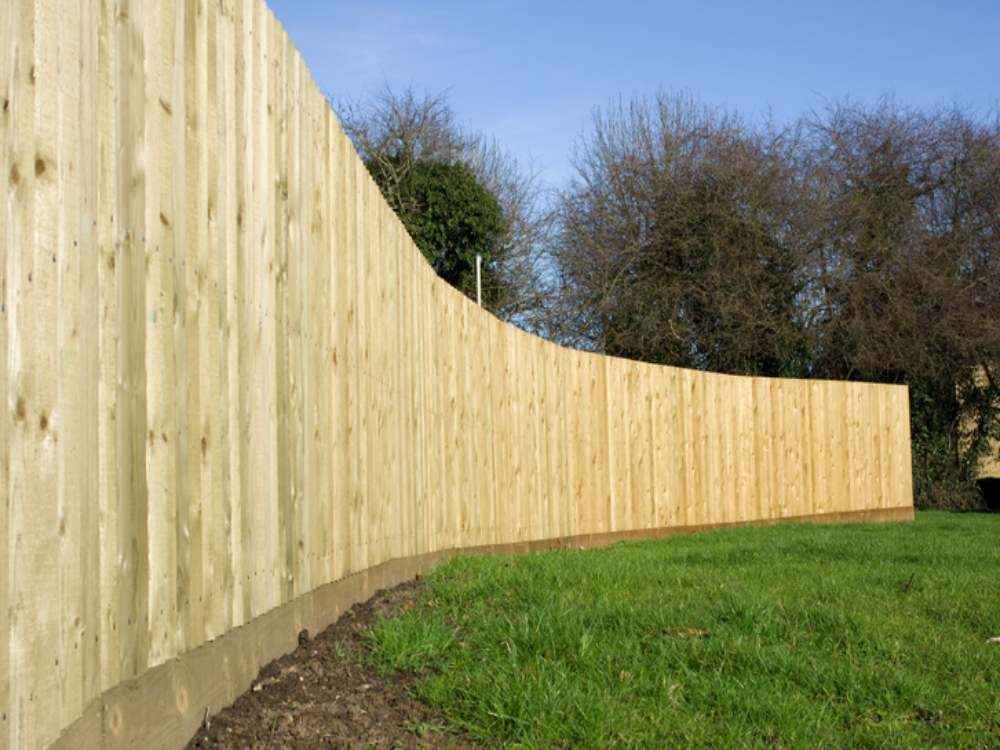
Best Time to Install a Fence for Maximum Durability And Value
Choosing the right time for installation improves both performance and cost efficiency. Soil conditions, moisture levels, and temperature directly impact how well posts set and how materials behave. Spring and fall often provide the best balance of moderate weather and workable soil. These conditions allow posts to be installed securely and reduce stress on materials. Planning your project during these seasons can also help avoid peak demand pricing. A strategic installation timeline offers several benefits:
- Stronger post foundations due to stable soil
- Reduced risk of weather-related delays
- Better material performance during installation
- More consistent scheduling with professional crews
Seasonal Overview of Fence Installation
Each season presents unique conditions that affect how to properly install a fence. Understanding seasonal differences helps you prepare for potential challenges. Explore each season:
Spring Conditions
Spring offers moderate temperatures and softer soil, making digging easier. Rainfall can delay projects, so planning around weather patterns is important.
Summer Conditions
Summer provides long daylight hours but introduces heat-related challenges. Dry soil becomes harder to dig, which may affect post-installation.
Fall Conditions
Fall delivers stable temperatures and balanced soil moisture. Many homeowners consider this season ideal for consistent results.
Winter Conditions
Winter raises questions, such as can you install a fence in the winter? Cold temperatures and frozen ground can complicate installation, but do not make it impossible.
Why Spring and Fall Are the Best Seasons
Spring and fall consistently rank as the best times for fence installation. These seasons create favorable conditions for both installation crews and materials. Spring supports strong installation outcomes because the soil remains soft and workable. Plants and landscaping are also easier to navigate before full growth begins. Contractors can set posts securely and complete projects efficiently. Fall offers similar advantages. Cooler temperatures reduce strain on materials and workers. Soil conditions remain stable, which helps ensure proper post alignment and support. Key benefits of spring and fall installation include:
- Easier digging due to balanced soil moisture
- Reduced expansion and contraction of materials
- Lower risk of extreme weather delays
- Improved curing conditions for concrete
Challenges of Summer Fence Installation
Summer installation introduces a different set of challenges. High temperatures and dry conditions affect both materials and labor. Heat exposure can cause materials such as wood and vinyl to expand. This movement may impact alignment if installation is not handled correctly. Dry soil also becomes compact, which makes digging post holes more difficult. Homeowners frequently ask, ” Can you install a fence in the rain, especially during summer storms. Light rain may not stop a project, but heavy rainfall can delay progress and affect soil stability. Common summer challenges include:
- Hard, dry soil that requires additional labor
- Increased risk of dehydration for workers
- Sudden storms that interrupt installation
- Material expansion due to heat
Winter Fence Installation: Is It Possible?
Winter installation raises important questions, especially whether you can install a fence in the winter. The answer is yes, but conditions must be carefully managed. Frozen ground presents the biggest challenge. Digging becomes more complex and requires specialized tools or techniques. Concrete also takes longer to set in colder temperatures, which can affect timelines. Despite these challenges, winter installation offers certain advantages. Contractors often have more availability, which allows for flexible scheduling. Pricing may also be more competitive during this slower season. Winter fence installation works best when:
- Ground conditions are manageable
- Temperatures remain above extreme lows
- Professional equipment is available
- Installation timelines allow for proper curing
Choosing The Right Fence Material By Season
Selecting the right material is just as important as timing. Different materials respond differently to seasonal conditions. Wood fencing requires careful installation during moderate temperatures to prevent warping or cracking. Spring and fall provide ideal conditions for wood fence installation. Vinyl fencing performs well in many environments but can become brittle in extreme cold. Warmer seasons allow for easier handling and installation. Metal fencing offers durability across seasons, though installation still depends on soil conditions for post stability. Material considerations include:
- Wood performs best in moderate temperatures
- Vinyl needs flexibility during installation
- Metal withstands seasonal temperature changes
- All materials benefit from proper post-installation
Fence Installation Services in Maryland
Maryland’s climate includes humid summers, cold winters, and frequent storms. These conditions make timing and professional expertise essential for successful fence installation. Homeowners in Odenton, Arnold, Annapolis, Crofton, and Severna Park, MD, benefit from working with a team that understands local weather patterns. Soil composition, drainage, and seasonal changes all play a role in installation success. At Five Star Deck Services, we provide:
- Site evaluations tailored to local conditions
- Material recommendations for durability
- Professional installation that meets regional standards
- Scheduling guidance based on seasonal factors
Contact Five Star Deck Services Today!
The right timing makes a lasting difference in your fencing project. Planning your installation during the optimal season ensures better performance and long-term value. At Five Star Deck Services, our team specializes in professional fence installation designed for Maryland’s unique climate. We guide you through every step, from selecting materials to choosing the best installation timeline. Contact our team today!
Frequently Asked Questions
What Is The Best Time Of Year To Install A Fence?
Spring and fall are widely considered the best times due to moderate temperatures and stable soil conditions. These seasons allow for stronger and more efficient installation.
Can You Install A Fence In The Winter?
Yes, installation is possible during winter. Frozen ground and cold temperatures require specialized techniques, so professional assistance is recommended.
Can You Install A Fence In The Rain?
Light rain may not stop installation, but heavy rainfall can delay work and affect soil stability. Scheduling adjustments help maintain quality results.
How Do I Prepare For Fence Installation?
Preparation involves marking property lines, clearing obstacles, and selecting materials. A professional consultation ensures proper planning and execution.
Does Season Affect Fence Durability?
Season influences installation quality rather than long-term durability. Proper installation during favorable conditions helps extend the life of your fence.
How To Install A Fence Correctly?
Correct installation requires accurate measurements, proper post depth, and secure anchoring. Professional installers follow proven methods to ensure stability and alignment.