
How to Build a Deck That Complements Your Home’s Architecture
A new deck can provide valuable outdoor living space, but the best decks do more than add square footage. Thoughtful deck design for home architecture considers the home’s shape, exterior finishes, colors, proportions, and defining details before construction begins.
Whether you own a traditional Colonial, a cozy Craftsman, or a contemporary home, approaching your project as a custom deck design can help you create a smooth transition between indoor and outdoor areas. From decking materials to railings and layout, every detail contributes to the finished look. Five Star Deck Service offers a guide on how to build a deck that complements your home’s architecture.
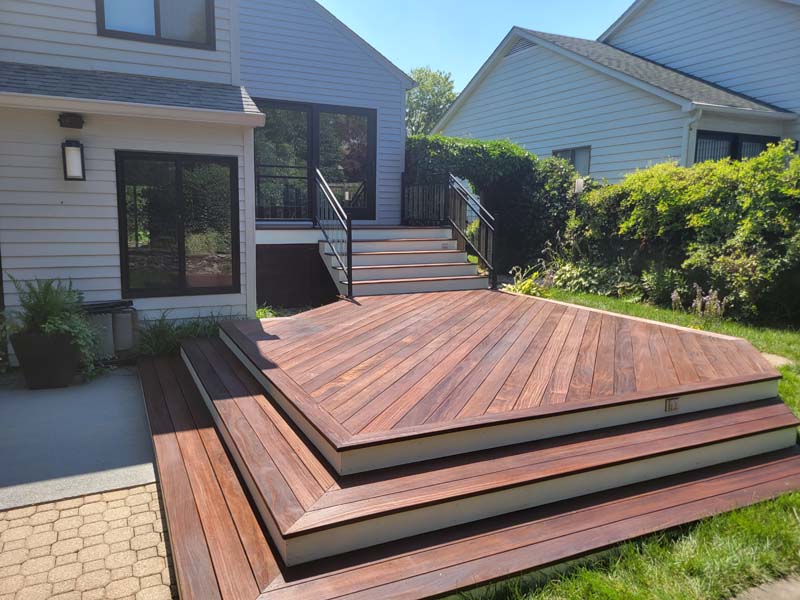
Why Architectural Harmony Matters in Deck Design
A deck occupies a prominent place on your home’s exterior, which means its design can significantly influence the overall appearance of your property. If its colors, proportions, or features conflict with the house, the deck may look like an afterthought.
Instead, aim for visual continuity. For example, a Colonial home’s balanced design can pair well with a simple, symmetrical deck, while a contemporary home may benefit from clean lines, streamlined railings, and uncluttered shapes. These approaches are also reflected in common architectural deck-design recommendations.
Architectural harmony doesn’t require making the deck identical to the house. Instead, the goal is to choose complementary elements that make the old and new portions of the property feel connected.
Identify Your Home’s Architectural Style
Before exploring deck architecture ideas when building a new deck, take a careful look at your home’s defining characteristics. Different architectural styles lend themselves to different deck designs. Colonial homes often emphasize symmetry and traditional details, while modern homes typically feature straight lines and simpler forms. Craftsman homes frequently emphasize natural materials and substantial architectural details.
Consider:
- Rooflines and exterior shapes
- Siding, brick, stone, or other façade materials
- Window and door styles
- Trim colors and architectural details
- Existing porches or outdoor structures
- Overall proportions of the home
Selecting the Right Deck Materials
Materials affect the appearance and maintenance requirements of a residential deck design.
Natural wood offers warmth and character and can be particularly appealing with traditional, Craftsman, farmhouse, and rustic architecture. Composite decking offers another option and is available in finishes that can complement both classic and modern properties. Contemporary designs may also incorporate metal railings and darker color palettes for a streamlined appearance.
Think beyond the deck boards, too. Railings, posts, stairs, skirting, and accent materials should work together. A professional deck builder can help develop a material palette that complements your home’s siding, trim, masonry, and other exterior features.
Deck Design Features That Enhance Architectural Appeal
Small decisions can make a big difference in creating a deck that matches your house. Look for opportunities to repeat or complement architectural details, such as:
- Railings: Choose profiles and materials that fit your home’s character.
- Posts: Consider their proportions in relation to existing porch columns or exterior details.
- Stairs: Position and size stairs so they feel integrated into the deck rather than added as an afterthought.
- Skirting: Use a finished treatment beneath elevated decks for a more cohesive appearance.
- Built-In Seating: Incorporate seating without unnecessarily cluttering the layout.
- Pergolas: Add shade and architectural interest while complementing the home’s exterior.
- Lighting: Integrate deck lighting into steps, posts, or railings for functionality and visual appeal.
Matching Deck Size and Layout to Your Property
Scale is one of the most important considerations in custom deck design. A very large deck can overwhelm a smaller home, while an undersized deck may appear disconnected from a larger property. The layout should respond to the architecture and the way you plan to use the space.
Think about how people will move through the space. Allow room for dining, seating, grilling, or entertaining without compromising comfortable pathways between the house, deck, stairs, and yard.
Common Design Mistakes to Avoid
Rather than designing each component independently, consider the house, deck, and surrounding property as one connected composition. When planning a deck, avoid decisions that work against the home’s existing architecture, including:
- Using too many unrelated colors or materials
- Building a deck that looks disproportionately large or small
- Choosing ornate railings for an otherwise minimalist house
- Ignoring existing exterior materials and trim
- Designing stairs that interrupt natural traffic flow
- Prioritizing appearance without considering how the deck will be used
- Treating landscaping as separate from the overall outdoor design
Why Work With Professional Deck Builders
Five Star Deck Service builds dream decks in Odenton, Arnold, Annapolis, Crofton, and Severna Park, MD. Working with an experienced deck builder gives homeowners the opportunity to design a deck tailored to their specific property rather than relying on a one-size-fits-all design. Let us help design and build the perfect deck to fit your needs. Reach out to us today to schedule services.
Frequently Asked Questions About Deck Design
How Do I Choose a Deck Style That Matches My House?
Start by identifying your home’s predominant architectural features, including its lines, proportions, exterior materials, colors, and decorative details. Use these elements to guide the deck’s shape, materials, railings, and finishes. The goal is a complementary design rather than an exact match.
What Decking Materials Work Best With Modern Homes?
Composite or PVC decking, particularly in neutral or darker finishes, can work well with contemporary architecture. Metal and streamlined railing systems can reinforce the clean, minimalist appearance commonly associated with modern homes.
Should Deck Colors Match My Home’s Exterior?
Not necessarily. Your deck doesn’t have to be the exact color of your siding or trim. Coordinating or complementary colors can create a more layered, intentional appearance. Neutral grays and warm browns, for example, can provide versatile options depending on the home’s existing exterior palette.
How Can I Make a New Deck Look Original to My Home?
Repeat or complement existing architectural elements, such as colors, materials, proportions, railing details, or trim. Paying particular attention to where the deck connects to the house can also help create a seamless visual transition.
Can a Custom Deck Include More Than One Outdoor Living Area?
Yes. Depending on available space and the home’s configuration, the layout can define separate areas for activities such as dining, lounging, and entertaining. Designing these zones at the planning stage helps create an outdoor space that looks cohesive while serving practical needs.