
Deck Railing Options: Styles, Materials, and Design Considerations
Deck railings play an important role in the safety, functionality, and appearance of an outdoor living space. While homeowners may focus first on decking boards, furniture, or built-in features, the railing can have just as much influence on the finished design.
From classic wood balusters to sleek metal systems, today’s deck railing options can complement almost any architectural style. The right choice depends on more than looks. Maintenance, durability, visibility, budget, and how your family uses the deck should all influence your decision.
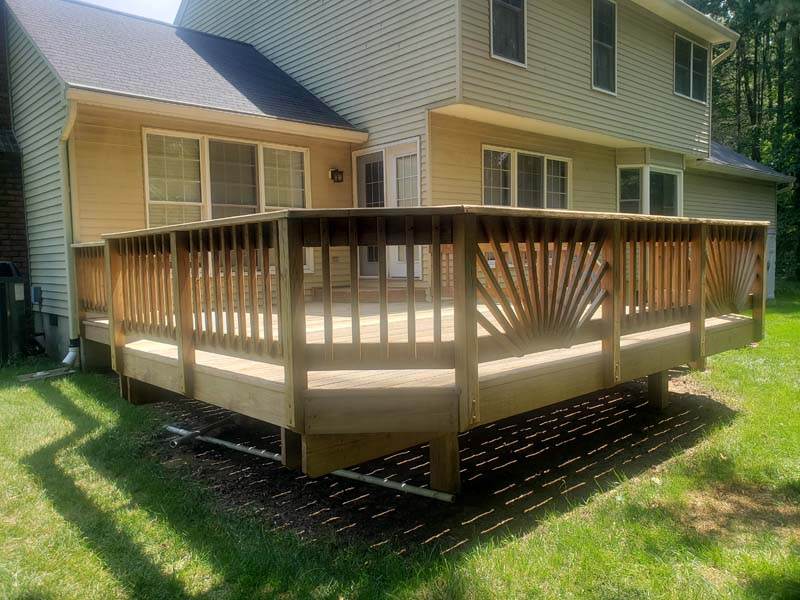
Why Choosing the Right Deck Railing Matters
A residential deck railing serves as both a safety feature and a major visual component of deck construction. Because railings create a prominent boundary around an outdoor space, their material, color, and profile can significantly affect its overall appearance.
Material choice can also affect long-term maintenance. For example, wood railings generally require ongoing sealing, staining, or painting, while aluminum railings typically require less maintenance and resist issues such as rot and warping.
When comparing deck railing ideas, consider several factors:
- Your home’s architectural style
- Desired maintenance level
- Exposure to outdoor elements
- View from the deck
- Color and design of the decking
- How the space will be used
- Applicable building requirements
Popular Deck Railing Materials
Different deck railing materials offer varying combinations of appearance, durability, and maintenance requirements. We explain these railing materials in detail below.
Wood Railings
Wood remains an appealing option for homeowners who prefer a warm, traditional appearance. It can work especially well with Craftsman, farmhouse, rustic, and other classic home designs. The tradeoff is maintenance. Exposure to moisture, sunlight, and temperature changes can contribute to cracking, warping, or rot, making periodic sealing, staining, or painting important.
Aluminum Railings
Aluminum offers clean lines that can work particularly well with modern and contemporary outdoor spaces. It’s moisture-resistant and does not rot or warp, helping to reduce maintenance requirements compared with traditional wood.
Vinyl and PVC Railings
Vinyl is another low-maintenance choice, although product quality and long-term performance can vary. Solid cellular PVC systems are designed to resist moisture, rot, insects, and environmental wear and do not require the routine painting or sealing associated with traditional wood.
Cable Railings
Cable railing systems are one of the deck railing styles homeowners may consider when they want a streamlined, open appearance. Their thin horizontal or vertical lines can minimize visual interruption, making them especially appealing for contemporary designs or properties where maintaining a view is a priority.
Deck Railing Styles to Consider
Once you’ve considered materials, think about how the railing’s overall design relates to the home. Some of the most popular styles include:
- Traditional: Wood or wood-look railings with prominent posts and classic balusters.
- Modern: Clean, simple profiles with streamlined metal or other minimalist components.
- Transitional: A combination of traditional proportions and contemporary finishes.
- View-Focused: Railing designs intended to minimize visual obstructions.
- Custom: Custom deck railings designed around the home’s architecture, deck configuration, and desired aesthetic.
Choosing the Best Railing for Your Lifestyle
The best railing is the one that works for how you use your deck. If minimizing upkeep is a priority, consider railing materials designed to reduce the need for routine painting, staining, or sealing. If views are important, explore visually streamlined designs. If traditional character is the goal, wood or detailed profiles may better complement your home’s architecture. Also consider how outdoor furniture, stairs, lighting, landscaping, and other deck features will interact with the railing.
Professional Deck Railing Installation Benefits
Even high-quality deck railing materials rely on proper installation. Some of the most significant benefits of professional deck railing installation include:
- Proper Installation Matters: Even high-quality deck railing materials depend on correct installation for reliable performance.
- Secure Anchoring Is Essential: Posts should be securely anchored to create a stable railing system.
- Connections Must Be Properly Constructed: Weak or poorly installed connections can affect long-term performance.
- Correct Spacing Is Important: Railing components should be spaced according to applicable requirements.
- Professional Installation Can Help Prevent Problems: Poor anchoring and inconsistent spacing may compromise the railing over time.
- Existing Decks Should Be Evaluated: When replacing an older railing, a deck professional can inspect the existing structure before installation.
- Expert Guidance Simplifies Railing Selection: A professional can recommend configurations that work with both the deck’s structure and the home’s overall design.
Find the Right Deck Railing With Five Star Deck Service
Five Star Deck Service can help homeowners explore custom deck railings that complement their outdoor spaces. Whether you’re updating an existing railing or incorporating a new system into a larger deck project, professional guidance can help you choose a solution that balances style, durability, and functionality. Contact us to learn more about deck railing options.
Frequently Asked Questions About Deck Railings
What Is the Most Durable Deck Railing Material?
There isn’t one best material for every home. Aluminum is known for strength, moisture resistance, and minimal maintenance, while some PVC systems incorporate internal reinforcement to improve structural stability. Consider the specific product, installation, environment, and maintenance requirements before choosing.
Are Cable Railings Safe for Families With Children?
Cable railing safety depends on the system’s design, installation, spacing, and compliance with applicable building requirements. Families considering cable railing should discuss their concerns and local requirements with a qualified deck professional before installation.
Which Deck Railing Requires the Least Maintenance?
Aluminum, vinyl, and PVC are common choices for homeowners prioritizing lower maintenance. Aluminum won’t rot or warp, while solid cellular PVC doesn’t require the routine painting, sealing, or staining associated with wood.
How Do I Choose a Railing Style That Matches My Home?
Look at your home’s architectural lines, exterior materials, colors, trim, and overall character. Traditional properties may benefit from more detailed profiles, while modern homes often work well with cleaner and more minimal railing systems.
Should Deck Railings Match the Color of the Decking?
This isn’t a requirement. Coordinating colors can create a seamless appearance, while contrasting railings can add definition. Another option is to coordinate the railing with the home’s exterior trim to visually connect the deck to the house.
Can I Replace My Deck Railing Without Replacing the Entire Deck?
Potentially. Whether the existing deck can accommodate a new railing depends on its condition, structure, and the requirements of the proposed railing system. A professional inspection can help determine whether railing replacement alone is appropriate.