
Raising Your Deck to Prevent Flood Damage in Coastal Areas
Coastal homes benefit from smart planning that accounts for changing weather conditions and ground saturation. This blog focuses on practical ways to reduce flood exposure by adjusting deck height, structure, and materials while preserving comfort and curb appeal. Elevate deck design supports stronger airflow, better drainage, and dependable access during heavy rain cycles. Five Star Deck Service often consults with homeowners planning a raised deck in Odenton, Arnold, Annapolis, Crofton, and Severna Park, MD where flood awareness shapes long-term decisions. Readers will find clear insights into elevated decks, flood-deck design, and factors that influence performance, safety, and maintenance. The goal is to build smarter outdoor spaces that stand up to coastal conditions with confidence.
Understanding Flood Risks for Decks in Coastal Areas
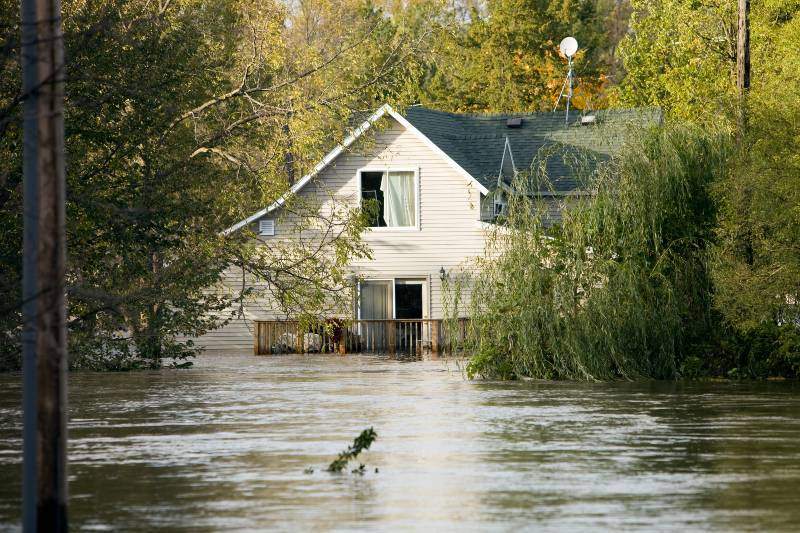
It’s not uncommon for coastal decks to face rising water levels, saturated soil, and repeated storm runoff. Flooding can put pressure on deck footings and support posts, potentially affecting stability over time. Standing water around framing increases wear on fasteners and connections, especially in low-lying yards. Saltwater exposure adds another layer of stress by accelerating surface breakdown on wood and metal components. Debris carried by floodwaters can strike railings and stairs, leading to alignment issues. Proper elevation, drainage planning, and material selection help decks perform reliably.
The Benefits of a Raised Deck in Flood-Prone Areas
Raised decks offer practical advantages for homes located near waterways or low-lying terrain. Elevating the deck improves water flow beneath it while supporting safe access during seasonal flooding. Homeowners exploring how to build a raised deck often focus on strength, layout, and long-term usability. Elevated construction supports better protection for framing and surface boards, especially in regions with frequent storms. This approach creates an adaptable outdoor living space that aligns with coastal conditions while maintaining visual appeal and functional comfort. The list below highlights the benefits of a raised deck in flood-prone areas:
- Improved Flood Protection – A raised deck allows water to pass beneath the structure without contacting deck boards. Elevated framing helps preserve alignment and reduces exposure to ground saturation.
- Stronger Structural Performance – Higher footings support stable load distribution during wet conditions. Proper elevation limits stress on posts and connectors.
- Better Airflow and Drying – Open space below the deck encourages consistent air movement. Faster drying supports long-term surface performance.
- Expanded Design Flexibility – Elevation creates opportunities for stairs, landings, and views. Deck layouts adapt more easily to sloped or coastal landscapes.
Key Considerations When Raising a Deck
Raising a deck requires careful planning that balances function, appearance, and long-term performance. Height changes affect access points, railing needs, and how the deck connects to the home. Soil conditions, drainage patterns, and exposure to moisture all influence construction decisions. Attention to elevate deck design helps ensure the finished structure fits the property while meeting safety expectations. Thoughtful preparation supports smooth construction and dependable results. The considerations below outline core factors that guide successful raised deck projects:
- Foundation and Foot Placement – Proper footing depth supports stability and load distribution. Elevated decks rely on accurate placement to manage soil movement and water flow.
- Stair and Railing Requirements – Increased height requires compliant stairs and secure guardrails. These elements affect safety, comfort, and overall layout.
- Drainage and Water Flow – Water must move freely beneath the deck to limit surface wear. Grading and space play important roles in long-term performance.
- Material Selection – Moisture-resistant materials support elevated applications. Choices influence maintenance needs and visual consistency over time.
Choosing the Right Materials for a Flood-Resistant Deck
Material selection determines how well a deck performs. Wood species with natural density and moisture resistance hold up better when exposed to frequent water contact. Composite decking offers consistent performance and resists swelling, warping, and surface breakdown. Fasteners and connectors require corrosion-resistant finishes to maintain strength in damp or coastal conditions. Properly treated framing lumber helps support structural reliability. Pairing durable materials with professional installation supports a deck surface that stays stable, safe, and visually consistent through changing weather patterns.
How to Build a Raised Deck in Coastal Areas
Constructing a raised deck requires attention to elevation, durability, and water movement. Proper planning starts with accurate height calculations that allow floodwater to pass beneath the structure without contact. Footings must extend deep enough to support shifting soil and periodic saturation. Additionally, material choice and fastener selection influence performance in saltwater environments. Skilled installation ensures connections remain secure while supporting long-term stability, safety, and visual consistency across changing coastal conditions.
Trust Us for Elevated Deck Designs
Raising a deck requires experience, precision, and a clear plan that fits the property. A professionally planned raised deck improves performance in flood-prone areas while supporting daily use and long-term value. Work with a team that restores, reinforces, and upgrades outdoor structures using proven methods and quality materials. Schedule a consultation to review elevation options, layout goals, and restoration solutions that align with coastal conditions and your outdoor living plans.
FAQs
How Tall Does a Deck Need to Be to Qualify as Raised?
A deck is generally considered raised when it sits several feet above grade. Final height depends on site conditions, drainage needs, and local building requirements.
Are Raised Decks Safe for Everyday Use?
Raised decks provide a safe outdoor living space when built with proper footings, railings, and stair design. Professional construction ensures stability and code compliance.
Do Raised Decks Require Different Maintenance Than Ground-Level Decks?
Raised decks benefit from consistent inspections and surface care. Access to the underside makes it easier to monitor framing and fasteners.
Can an Existing Deck Be Converted Into a Raised Deck?
Many existing decks can be elevated through remodeling and structural upgrades. Each project requires an evaluation of framing, footings, and overall condition.