
How to Decide Between Replacing or Restoring Your Wooden Deck
Replace or Restore? Deciding the Next Steps for Your Deck
A wooden deck is the perfect spot for summer barbecues, quiet morning coffees, and family gatherings. But over time, constant exposure to sun, rain, and snow takes a toll on even the most durable wood. You might step outside one day and notice faded boards, peeling stain, or even a loose plank. When your outdoor space starts showing its age, you need to figure out if a simple makeover will do the trick or if you need to tear it down and start fresh. Before you make the call, here’s what you need to know about replacing a wooden deck versus simply repairing it.
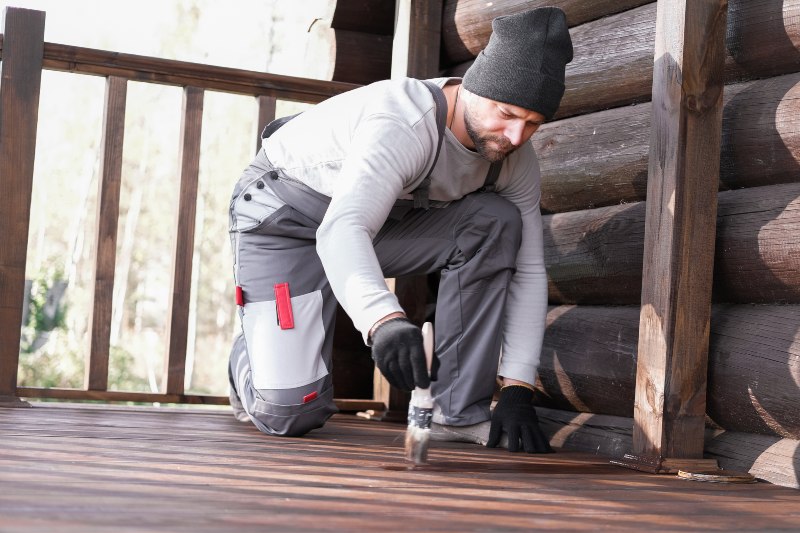
Replacing vs. Restoring Wooden Decks
The first thing you should do is inspect your deck. This doesn’t mean just giving it a quick once-over—you’ll need to look past the surface and consider the wood’s structural integrity. Here are some things to think about when deciding between repair and replacement:
Signs Your Deck Needs a Full Replacement
If you find anything compromising your deck’s safety, a replacement is probably the way to go. Cosmetic fixes won’t address safety issues like the following:
- Extensive Wood Rot—Soft, spongy wood is a major warning sign. Grab a screwdriver and press it into the posts, joists, and beams underneath the deck. If the tool sinks into the wood easily, you likely have a case of wood rot on your hands.
- Structural Instability—Stand on your deck and shift your weight. If the entire structure sways or wobbles, the support system is failing. Rusted, missing, or compromised hardware underneath the deck also points to a need for replacement.
- Severe Board Damage—If the vast majority of your deck boards are severely warped, cracked, or splintering beyond repair, fixing them individually is probably too expensive and time-consuming.
- Building Code Violations—Older decks might not meet current safety standards. If your deck was built decades ago without proper ledger board attachments or railing heights, tearing it down and rebuilding might be the safest option.
When Deck Restoration Is the Right Choice
If the bones of your deck are solid, you can save a significant amount of money by restoring it. Wood deck restoration is usually the right choice when the damage is entirely cosmetic. Here are a few examples:
- Faded Color—UV rays strip the color from wood over time. If your boards look gray and weathered but are still physically hard and intact, a deep clean and a new coat of stain will bring them back to life.
- Minor Splintering and Peeling—Small splinters, peeling paint, or flaking sealant can easily be fixed. Sanding the surface down to bare wood prepares it for a fresh, protective finish.
- Isolated Board Damage—Finding one or two rotten or heavily cracked boards doesn’t mean the whole structure is ruined. You can simply remove and replace the damaged planks before staining the entire deck to match.
Is Deck Resurfacing a Good Option for You?
Sometimes, your situation falls right in the middle between deck restoration and repair. The surface boards look terrible, but the underlying joists and posts are completely solid. In this case, deck resurfacing is an excellent alternative. Resurfacing involves removing all the old top boards and railings while leaving the original foundational frame intact. Then, new decking materials are installed on top of the old frame. This allows you to upgrade to low-maintenance composite decking or premium hardwoods without paying for a brand new foundation.
What to Consider Before Making a Decision
The number-one factor when deciding between deck restoration and repair should always be safety. However, this isn’t the only thing you should consider before calling a decking contractor. These factors may also influence your final choice:
- Your Budget—Restoration is much cheaper than replacement. Evaluate your finances and get a few quotes from local contractors to see what makes sense for your wallet.
- Timeline and Convenience—Deck restoration can usually be completed in a few days, making it a great weekend project before a big event. On the other hand, tearing down and rebuilding a deck can take weeks. Consider what timeline you’re prepared to take on.
- Future Home Plans—Think about how long you plan to stay in your current house. If you want to sell in the next year, a quick restoration might offer the best return on investment by boosting your curb appeal. If this is your forever home, investing in a completely new, custom-designed deck might bring you the most long-term value.
Here to Help You With Your Decking Needs
Taking care of an aging deck doesn’t have to be a stressful process. At Five Star Deck Service, we’re here to help you decide whether to recondition or replace wooden outdoor decks. We’ll work with you to choose the best option, then move forward with any replacement or repair plans. Contact us today to get started—we serve homeowners in the Annapolis, MD area, including Odenton, Arnold, Crofton, and Severna Park.
FAQs About Deck Restoration and Repair
How long does a wooden deck typically last?
A well-maintained wooden deck usually lasts between 10 and 15 years. Decks made from premium woods like cedar or redwood can last up to 20 years with proper annual maintenance.
How often should I restore my deck?
You should plan to thoroughly clean and reseal or stain your wooden deck every two to three years. Keeping up with regular maintenance protects the wood from moisture and sun damage. Ultimately, being proactive with deck care will help extend its overall lifespan!
Can I paint over old deck stain?
You can paint over old stain, but you’ll need to prepare the surface properly first. First, clean the wood and strip away loose pieces of the old finish. After that, you can sand the boards and apply a high-quality primer. Taking these steps before painting will help the new color stick and last longer.